









Martha Carlin on Parkinson’s, the Microbiome, and the Glycocalyx


 Martha Carlin
| Aug 31, 2026 |
podcast
Martha Carlin
| Aug 31, 2026 |
podcast

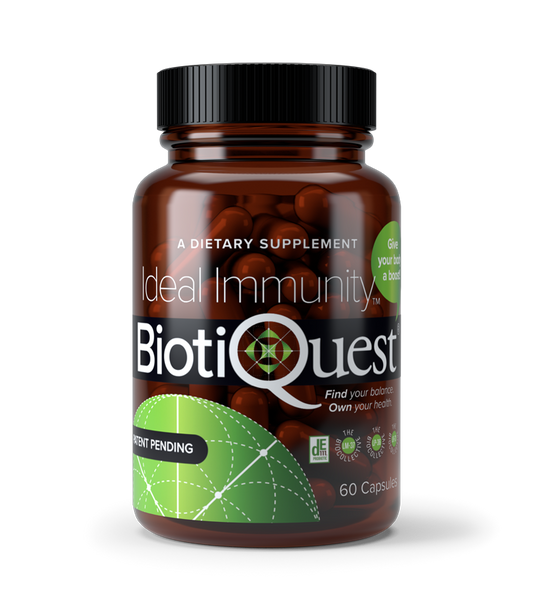
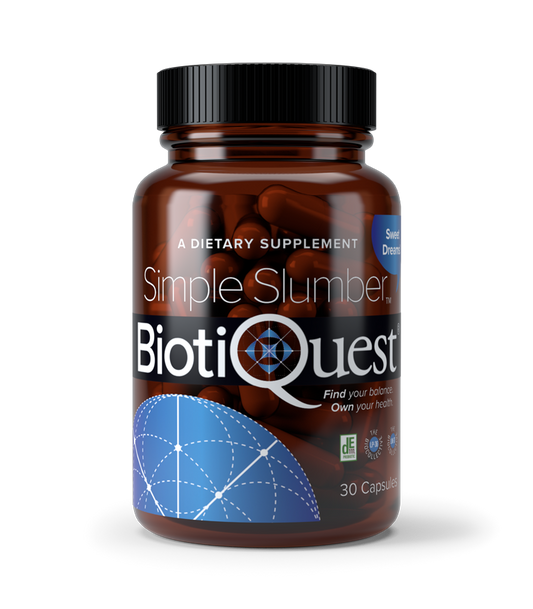
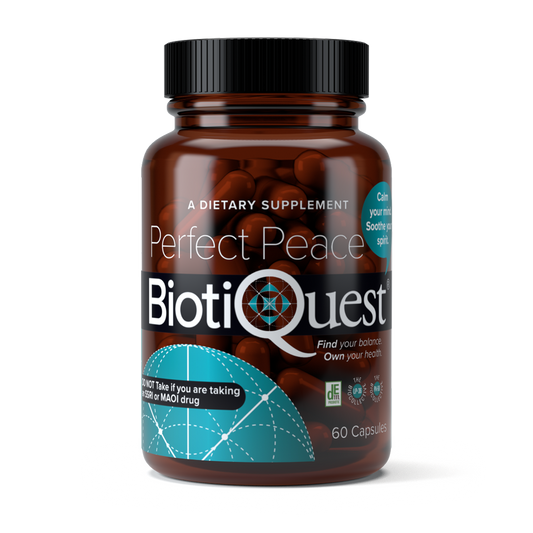
In a recent interview, Chris Wark spoke with Martha Carlin—author of Connected: Love Loss and the Unseen Forces Behind Chronic Disease, microbiome researcher, and founder of BiotiQuest—about her 24-year journey investigating the root causes of neurodegenerative and metabolic diseases.
Her research began in 2002 after her husband, John, was diagnosed with Parkinson’s disease at age 44. Drawing on her background in business turnarounds and operations, Carlin approached the diagnosis as a systems failure rather than an isolated illness. Her work eventually led to key insights regarding the gut microbiome, systemic inflammation, agricultural chemicals, and the protective cell layer known as the glycocalyx.
Early Clues and the Systems Approach
Early signs of Parkinson’s are often subtle and easily missed during brief clinical visits. Carlin noted that diminished arm movement while walking—known as a loss of reciprocal arm swing—is a classic early indicator that went unnoticed until evaluated by a neurologist.
Approaching the condition as an auditor, Carlin investigated environmental and dietary factors that could trigger early-onset neurodegeneration:
- Dietary Exposures: She examined the impact of heavy pesticide exposure, particularly glyphosate used on non-organic crops.
- Endurance Exercise: Carlin highlighted how extreme endurance sports (such as marathon running) temporarily shift blood flow away from the GI tract. Upon reperfusion, this can trigger micro-injuries to blood vessels, contributing to intestinal permeability ("leaky gut") and subsequent systemic inflammation.
- Gut-Brain Axis: The microbes in the human gut contain up to 300 times more genes than the human genome, directing essential metabolic functions, neurotransmitter production, and immune responses.
Gut Bacteria and Inflammation in Parkinson’s
Research shows distinct differences in the gut bacterial profiles of individuals with neurodegenerative conditions compared to healthy controls.
- Pathogenic Overgrowth and LPS: Strains such as E. coli produce lipopolysaccharide (LPS), also known as endotoxin, within their cell walls. When these bacteria die, LPS crosses a compromised gut barrier into the bloodstream, triggering systemic neuroinflammation.
- Short-Chain Fatty Acid Depletion: Patients frequently show a loss of butyrate-producing bacteria. Butyrate is a vital short-chain fatty acid that nourishes colonocytes, repairs the gut lining, and limits inflammation.
- Pathogen Interference: Organisms like H. pylori and other urease-producing bacteria disrupt gut signaling, damage the glycocalyx lining, and consume dopamine, directly interfering with neurological function and medical treatments.
- Chronic Constipation: Often present 10 to 15 years prior to motor symptom onset, slowed GI motility allows metabolic waste and inflammatory toxins to recirculate.
Nutritional and Lifestyle Interventions
Carlin emphasized practical approaches to support the gut ecosystem and protect against systemic dysbiosis:
- Dietary Fiber and Whole Foods: Consuming diverse plant fibers, sulfur-rich vegetables (alliums and cruciferous vegetables), and resistant starches feeds keystone beneficial strains like Bifidobacterium and Lactobacillus.
- Clean Water: Standard tap water treatment leaves residual chlorine and chemical contaminants that disrupt the delicate gut flora. High-quality filtration is essential.
- Targeted Fermented Foods: Incorporating fermented items like beet kvass, fire cider, sauerkraut, or targeted probiotic formulas introduces beneficial organic acids and enzymes. Carlin’s initial research into mannitol-producing bacterial strains demonstrated how microbial sugar alcohols can help clear aggregating proteins and restore a balanced anaerobic gut environment.
- Movement and Oral Health: Gentle, cross-body movements (such as Qigong or non-contact boxing) promote neural connectivity. Regular dental care is equally critical, as pathogenic oral microbes (e.g., Fusobacterium) easily migrate to the GI tract.
With gratitude,

 Martha Carlin, is a “Citizen Scientist”,
systems thinker, wife of Parkinson’s warrior, John Carlin, and founder of The BioCollective , a microbiome company expanding
the reach of science and BiotiQuest, the first of it’s kind probiotic line. Since John’s diagnosis in 2002,
Martha began learning the science of agriculture, nutrition, environment, infectious disease, Parkinson’s
pathology and much more. In 2014, when the first research was published showing a connection between the gut
bacteria and the two phenotypes of Parkinson’s, Martha quit her former career as a business turnaround expert
and founded The BioCollective to accelerate the discovery of the impact of gut health on all human disease. Martha was a speaker at the White House 2016 Microbiome Initiative launch, challenging the scientific
community to “think in a broader context”. Her systems thinking background and experience has led to collaborations
across the scientific spectrum from neuroscience to engineering to infectious disease. She is a respected out of the
box problem solver in the microbiome field and brings a unique perspective to helping others understand the
connections from the soil to the food to our guts and our brains.
Martha Carlin, is a “Citizen Scientist”,
systems thinker, wife of Parkinson’s warrior, John Carlin, and founder of The BioCollective , a microbiome company expanding
the reach of science and BiotiQuest, the first of it’s kind probiotic line. Since John’s diagnosis in 2002,
Martha began learning the science of agriculture, nutrition, environment, infectious disease, Parkinson’s
pathology and much more. In 2014, when the first research was published showing a connection between the gut
bacteria and the two phenotypes of Parkinson’s, Martha quit her former career as a business turnaround expert
and founded The BioCollective to accelerate the discovery of the impact of gut health on all human disease. Martha was a speaker at the White House 2016 Microbiome Initiative launch, challenging the scientific
community to “think in a broader context”. Her systems thinking background and experience has led to collaborations
across the scientific spectrum from neuroscience to engineering to infectious disease. She is a respected out of the
box problem solver in the microbiome field and brings a unique perspective to helping others understand the
connections from the soil to the food to our guts and our brains.


Waking Up to a Probiotic Breakfast Can Do Wonders for Your Gut Health
Martha Carlin
| Aug 03, 2022 | 5 minutes read
Did you know that recent studies show people with poor gut diversity had lower quality of life? The health of your microbiome impacts your mental health, sleep, energy, the risk for chronic illnesses, and much more. A probiotic breakfast can...
 gut immunity

Can Probiotic Supplements Make or Break Your Fast?
Martha Carlin
| Dec 14, 2022 | 5 minutes read
Intermittent fasting (IF) may have started as a fitness trend for weight loss, but today it's a go-to lifestyle choice for many. Practicing intermittent fasting has been linked with health benefits such as lowering blood sugar and insulin, preventing heart...
gut immunity


