







Can Your Gut Set Your Brain on Fire? The Real Driving Force Behind Brain Inflammation


 Martha Carlin
| Jul 15, 2026 |
podcast
Martha Carlin
| Jul 15, 2026 |
podcast

If you were to ask a room full of neurologists what causes the progressive damage in Parkinson’s disease, most would point straight to the brain. They would talk about dopamine, tremors, and the accumulation of toxic proteins like alpha-synuclein.
But if you ask Martha Carlin, a data-driven systems thinker who spent over two decades tracking down the root cause of her husband’s early-onset Parkinson’s, she’ll tell you to look lower. Much lower.
In a recent panel featured on the Parkinson’s Disease Education channel, Martha broke down a reality that modern medicine is only just beginning to grasp: brain inflammation doesn’t start in the head—it begins in the gut.
If we want to stop neurodegeneration, we have to understand the biological wildfire tearing through our digestive tracts.
The Gut-Brain Axis: A Two-Way Highway for Toxicity
For years, scientists treated the blood-brain barrier like an impenetrable fortress, assuming the brain was isolated from the chaotic everyday happenings of the digestive system. We now know that the gut and the brain are hardwired together via the vagus nerve and a complex biochemical communication network known as the gut-brain axis.
When your gut microbiome is structurally damaged by antibiotics, environmental toxins like glyphosate, or chronic sugar consumption, the protective lining of your intestines begins to degrade.
This dynamic causes a cascade of issues:
- The Overgrowth of Gram-Negative Microbes: As beneficial, ancestral bacteria die off, aggressive, highly volatile bacteria take over.
- The Leaky Gut Fuel Line: The cell walls of these bad bacteria are composed of lipopolysaccharides (LPS)—also known as endotoxins. When the gut barrier breaks down, these endotoxins spill out into the bloodstream.
- Systemic Wildfires: Once in the blood, these endotoxins trigger systemic inflammation. They travel up the highway straight to the brain, breaching the blood-brain barrier and causing the brain's immune cells (microglia) to go into hyper-drive, sparking chronic neuroinflammation.
The Insulin Link: Parkinson's as "Type 3 Diabetes"?
One of the most profound data points Martha brought to light is the deep overlap between neurological disorders and metabolic dysfunction. In her review of a massive hospital data set tracking over 10,000 Parkinson’s patients, nearly two-thirds of them suffered from profound insulin dysregulation—either hypoglycemia or hyperglycemia.
Furthermore, computational mapping of the Parkinson’s microbiome revealed a striking anomaly: a prominent microbial gene that functions as a structural twin (homologue) to the human insulin gene.
This means that when your metabolism is broken down by modern sugars and highly processed foods, you aren’t just gaining weight or risking type 2 diabetes—you are actively starving your brain of the metabolic equilibrium it requires to clear out toxic proteins.
Extinguishing the Fire: How to Reclaim Your Equilibrium
If brain inflammation is driven by gut toxicity and metabolic breakdown, the solution isn't to simply manage symptoms from the neck up. The goal must be to completely remodel the internal ecosystem from the inside out.
1. Shift the Sugar Footprint
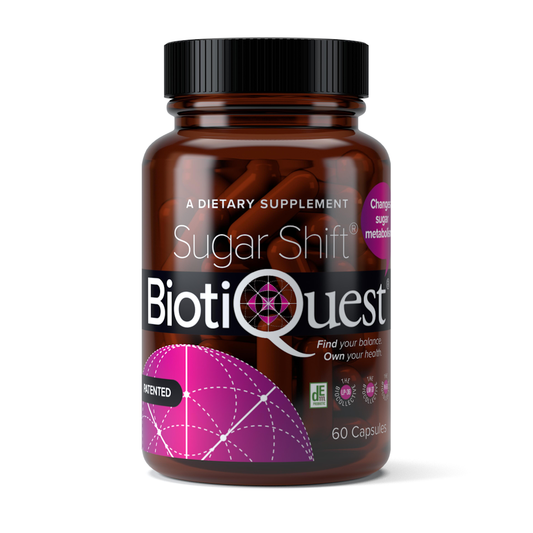
The primary driver of cellular glycation (the "gluing" together of tissues and proteins) is excess glucose and fructose. By utilizing smart, targeted probiotic teams like Sugar Shift, you can actively convert those dangerous reducing sugars into mannitol—a powerful antioxidant alcohol shown to stop protein clumping in the brain.
2. Force an Anaerobic State
A damaged gut becomes flooded with excess oxygen, allowing inflammatory bacteria to thrive. Introducing ancestral bacterial strains helps consume that oxygen, returning the large intestine to its natural, oxygen-free (anaerobic) state where beneficial, calming microbes can flourish.
3. Starve the Endotoxins
By repairing the gut lining and shifting the bacterial balance, you stop the continuous spilling of inflammatory LPS endotoxins into your bloodstream, effectively cutting off the fuel supply to brain inflammation.
The Takeaway
Your body is not a collection of isolated parts; it is a beautifully interconnected web. A neurological symptom is often just the final distress signal of a system that broke down in the gut years prior.
By understanding the chemistry of your microbiome, rejecting the toxins of the modern food supply, and actively supporting your metabolic health, you can cool the flames of inflammation and give your brain the clean, vibrant environment it needs to thrive.
With gratitude,

 Martha Carlin, is a “Citizen Scientist”,
systems thinker, wife of Parkinson’s warrior, John Carlin, and founder of The BioCollective , a microbiome company expanding
the reach of science and BiotiQuest, the first of it’s kind probiotic line. Since John’s diagnosis in 2002,
Martha began learning the science of agriculture, nutrition, environment, infectious disease, Parkinson’s
pathology and much more. In 2014, when the first research was published showing a connection between the gut
bacteria and the two phenotypes of Parkinson’s, Martha quit her former career as a business turnaround expert
and founded The BioCollective to accelerate the discovery of the impact of gut health on all human disease. Martha was a speaker at the White House 2016 Microbiome Initiative launch, challenging the scientific
community to “think in a broader context”. Her systems thinking background and experience has led to collaborations
across the scientific spectrum from neuroscience to engineering to infectious disease. She is a respected out of the
box problem solver in the microbiome field and brings a unique perspective to helping others understand the
connections from the soil to the food to our guts and our brains.
Martha Carlin, is a “Citizen Scientist”,
systems thinker, wife of Parkinson’s warrior, John Carlin, and founder of The BioCollective , a microbiome company expanding
the reach of science and BiotiQuest, the first of it’s kind probiotic line. Since John’s diagnosis in 2002,
Martha began learning the science of agriculture, nutrition, environment, infectious disease, Parkinson’s
pathology and much more. In 2014, when the first research was published showing a connection between the gut
bacteria and the two phenotypes of Parkinson’s, Martha quit her former career as a business turnaround expert
and founded The BioCollective to accelerate the discovery of the impact of gut health on all human disease. Martha was a speaker at the White House 2016 Microbiome Initiative launch, challenging the scientific
community to “think in a broader context”. Her systems thinking background and experience has led to collaborations
across the scientific spectrum from neuroscience to engineering to infectious disease. She is a respected out of the
box problem solver in the microbiome field and brings a unique perspective to helping others understand the
connections from the soil to the food to our guts and our brains.


Waking Up to a Probiotic Breakfast Can Do Wonders for Your Gut Health
Martha Carlin
| Aug 03, 2022 | 5 minutes read
Did you know that recent studies show people with poor gut diversity had lower quality of life? The health of your microbiome impacts your mental health, sleep, energy, the risk for chronic illnesses, and much more. A probiotic breakfast can...
 gut immunity

Can Probiotic Supplements Make or Break Your Fast?
Martha Carlin
| Dec 14, 2022 | 5 minutes read
Intermittent fasting (IF) may have started as a fitness trend for weight loss, but today it's a go-to lifestyle choice for many. Practicing intermittent fasting has been linked with health benefits such as lowering blood sugar and insulin, preventing heart...
gut immunity


